
Creative Product Images That Won’t Break the Bank
I bet you’ve drooled over amazing product photos in glossy magazines, or in shops, or on billboards, and wished you could afford images like that for your products. Well, it’s true that big brands have big budgets and can afford teams of people to shoot high-end shots for their advertising, but don’t let that put you off. Any product photographer worth their salt, whether they’re a big name or just your local studio, should be able to create eye-catching images in simple ways and on a sensible budget that will elevate your marketing and drive more sales. In this article I’ve tried to pull together a few ideas to give you food for thought that you can discuss with your product photographer to take your product images to the next level.
Start by adding some colour
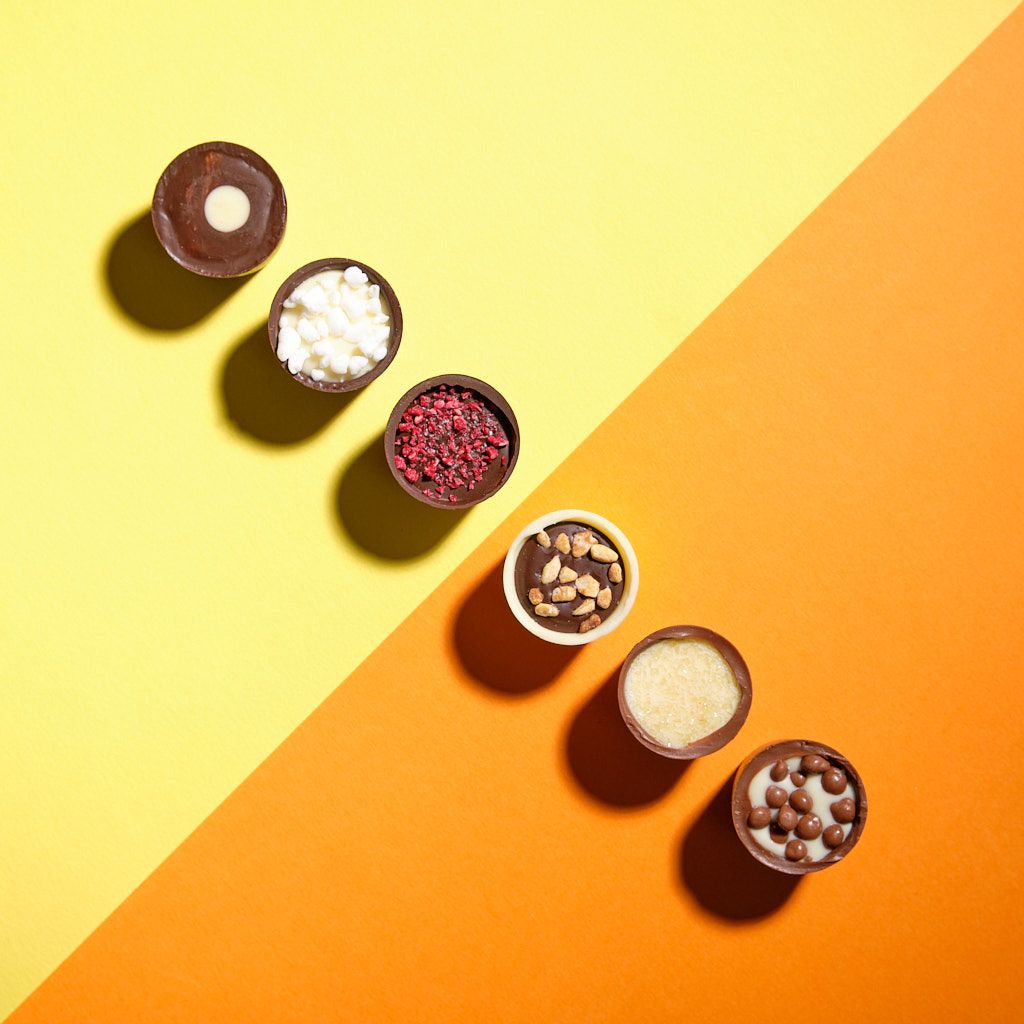
Product images can be more than just your product on a white background. The simplest way to lift your images so that they grab your customer’s attention is to add a little colour. Our brains are wired to react to colour. Some colours attract our attention while others trigger memories or create a mood.
Where some e-commerce sites like Amazon require your main products to be shot on a pure white background, for your other product images, or on your own website where you have the control, it is no more difficult to shoot against a coloured background than against white. Colours that compliment the product or that reflect your branding are great choices to include in your images. Any self-respecting product photographer will have a rainbow of coloured backgrounds to hand for you to choose from.
Or how about coloured lighting? Traditionally photographers used coloured gels over their studio lights but the recent explosion in coloured LED lighting brings with it a seemingly infinite range of colours and makes almost anything possible. You can check out Pantone® for the latest colour trends – I bet you didn’t know the 2023 colour of the year is Viva Magenta (18-1750).
Throw in some props
Some simple props add interest to your product images and almost anything can make a good prop for the right product. They can provide context, give a sense of scale, or set the mood of the image. Props should be relevant to the product but should not draw focus away from it. Remember that you are trying to sell the product, not the prop. The product should have prominence in the shot while any props should blend in and be almost subliminal. Strangely, a simple, well chosen and positioned prop can actually make an image look less staged. You might want to provide your own props or your photographer may have something suitable to hand. You’ll have to pay a little extra to include props if the photographer has to rent or buy them, but charity shops and bargain stores are a great source of cheap props if you want to choose your own.
A little light and shadow
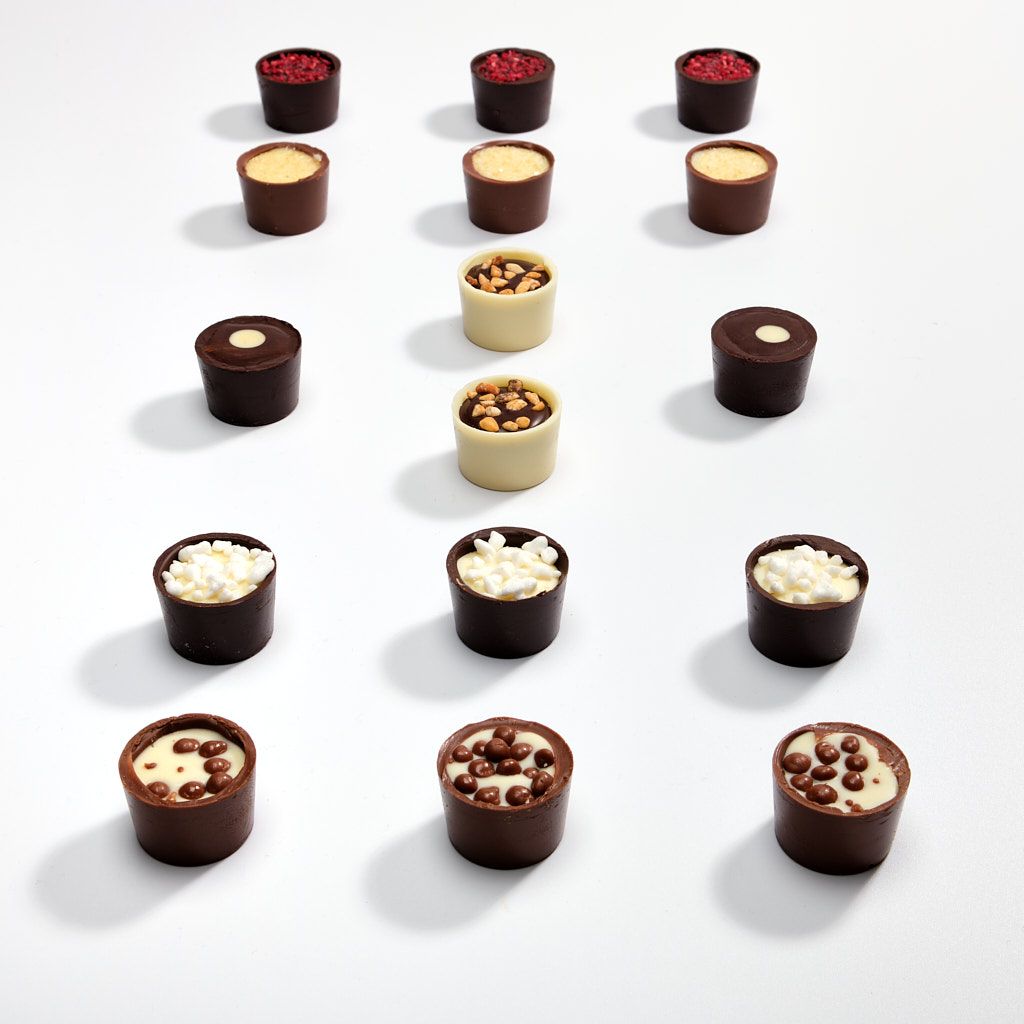
In all forms of photography light and shadow are important in equal measure. Light illuminates the subject to make it visible while shadow gives it form, dimension and texture. e-Commerce and packshots are often shot with flat lighting and little or no shadows. This gives a simple, uniform, no-nonsense image that is convenient for websites where there are a great many products listed and customers want to find what they need and buy it quickly and easily. After all, there’s not much you can do with a bottle of toilet cleaner or packet of crisps to make them more enticing as part of the weekly shop. However, where something more is needed to tempt your customers, light and shadow can be used to bring your product to life. For example, just adding a little shadow to a standard packshot can give the product more of a 3-dimensional look, and even though most product photos are taken in the studio, a skilful photographer will use studio lighting to create different looks - maybe something that looks like window light with its soft, cool shadows; or the burning sun of a hot Mediterranean beach with shadows that are hard edged with a deep colour.
Try a different angle
The angle a shot is taken from can also be used to good effect. Not only do different angles give different views of the product, varying from straight on, to three-quarter or corner angles, and even overhead, so called flat-lay views, they can also be used to foster different perceptions of your products. The use of angles can be more eye-catching or create a certain emphasis. Shots taken from extreme angles grab the viewers attention, and shots taken from a low angle make a product look more imposing or powerful. Our bottle of toilet cleaner photographed straight on is just another bottle of toilet cleaner but lower the camera angle even just a little and our toilet cleaner now takes on an air of strength and power. Angles can also be used to take away from an image. Flat-lays in particular are often used in food and clothing images where dimensionality is less important than colour, texture and style.
Do make a scene
Putting a product in a scene is a great way to show it off. The scene can add context and scale but can also help the customer imagine how your product might fit into their life. A scene doesn’t have to be complicated. Simply changing the background to reflect the normal use of the product – wooden planks or floorboards, brick walls and marble surfaces are all popular – can make a world of difference. Or why not place an ornament on a shelf or pans on the stove, and add one or two props for even more impact. You might go a bit more complicated with scenes like the area around a bathroom sink for soaps and shampoos, or part of a kitchen counter for kitchen appliances and tools, or you can go big with furniture in a room setting such as a lounge or dining room. The only limits are your imagination - and of course your budget.
Get out and about
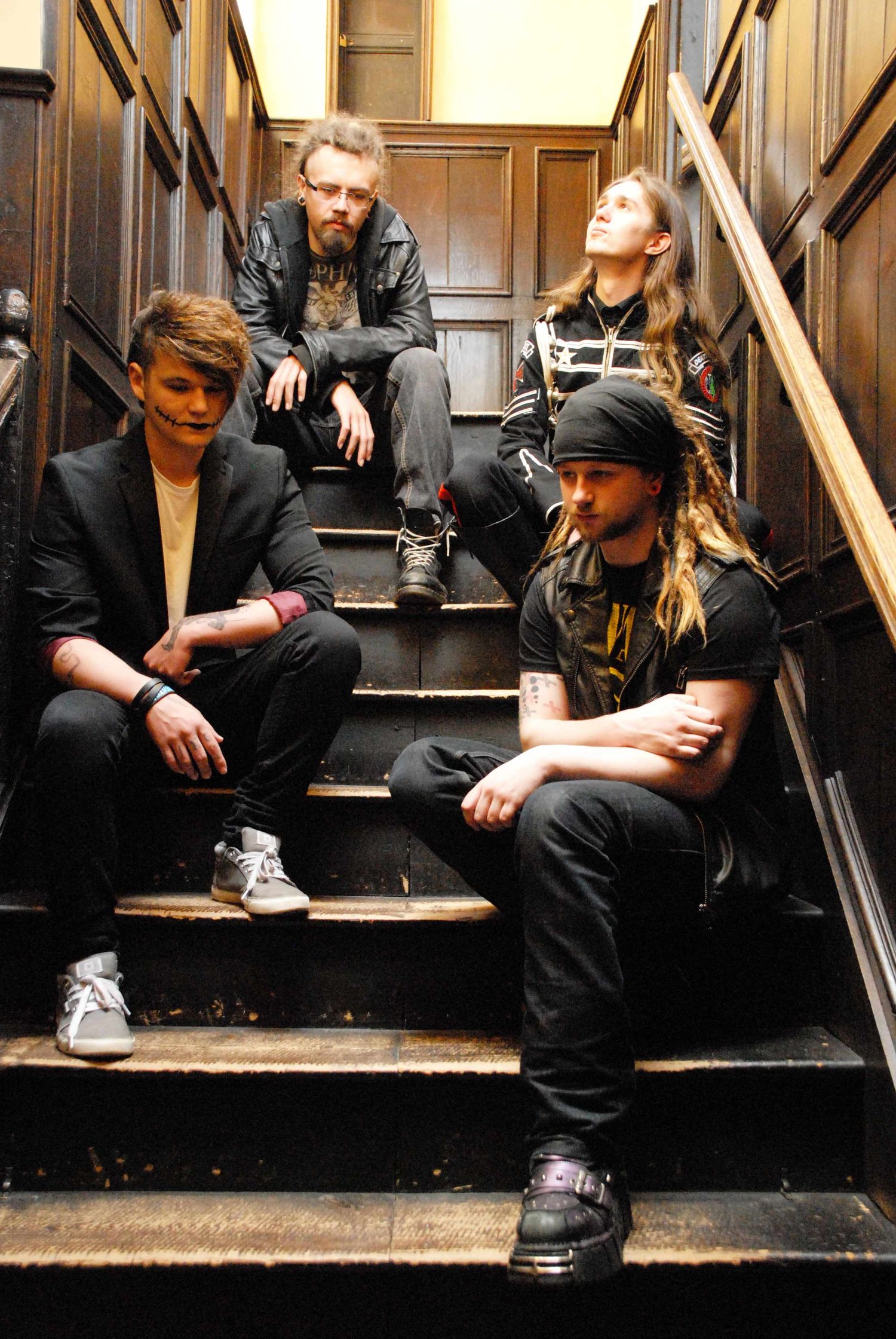
If your budget will allow you can get out on location. Shooting outdoors adds another dimension to images of products that are normally used outdoors, and clothing often looks better in an outdoor setting, although you may need to hire a model or persuade a friend to try their hand at modelling. And the outdoors is often free, but there are the logistics to deal with. Indoor locations are also great but can be costly. Your photographer may know of locations that are cheap or even free. I once shot an aspiring band in a local historic house which was open to the public. The house manager was happy for us to do this for free as long as we went at a quiet time and didn’t use loads of kit so natural light was the order of the day and the only additional cost was the fuel to get there. Cheeky I know but if you don’t ask you don’t get.
Let your imagination run wild
Product photographers are producing some amazingly creative images these days. Water splashing everywhere, things suspended in impossible positions, stuff exploding, their creativity and imagination seems limitless. Currently, these type of images seem particularly on trend for wines and spirits, cosmetics and perfumes. They are great fun to create but can sometimes take a lot of setting up, and a lot of editing work in post-production. But some may be easier to do than you might think and could work wonders for a one-off campaign so don’t be put off from asking your photographer. However, have your cheque book handy if you really want to go all out with images like these.
Let’s get started
So where on earth do you start? If you haven’t already got something in mind I’d suggest the internet is a good starting point to get some ideas. Check out other businesses in your space, especially the bigger brands, to see what is trending. But try not to copy them. Use these ideas to create your own unique style. Stock photography sites such as Alamy, Adobe Stock and Shutterstock are also great resources for getting ideas. These sites carry hundreds of millions of images so all you need do is search for images of products like yours and see what comes up. Create a mood board of images you find which reflect what you are looking for.
Alternatively let your photographer do the heavy lifting. Discuss your thoughts, timescales and budgets with them and let them come up with the ideas. They will know what the art-of-the-possible looks like and will probably think of things you didn’t know could be done. And it always pays to build a good working relationship with you product photographer as this can be very productive and they can help you in so many ways.
If you would like to know more about professional product photography please get in touch and we can show you how, here at Kevin Parkes Photography, we can create great images of your products and help your business grow.